Why a Gin Bar NYC Visit Belongs on Your Weekend Plans
@cesarjiqu958
October 9, 2026 · 15 min read
Weekend plans in New York have a way of filling themselves. A dinner reservation turns into drinks in the East Village. A museum afternoon drifts into a long walk downtown. Someone suggests live music, someone else wants rooftop views, and suddenly the evening feels overbooked before it has even started. That is exactly why a good gin bar deserves more attention. It offers something many weekend Gin Bar NYC spots do not, which is character without chaos, range without gimmick, and enough nuance to make even a short visit feel memorable.
A well-run Gin Bar NYC experience is not only about ordering a martini and moving on. It is about stepping into a place that treats spirits with care, understands how to guide different palates, and knows that hospitality matters just as much as what lands in the glass. For New Yorkers, that means an evening with a little structure and a little discovery. For visitors, it can be one of the easiest ways to access the city’s food and drink culture without committing to a full tasting menu or a very expensive night.
Gin bars also fit the way people actually spend their weekends. They work before dinner, after dinner, or in place of dinner if the bar kitchen is strong enough. They suit small groups, first dates, solo nights, and those in-between occasions when nobody wants to shout over loud music or stand shoulder to shoulder for mediocre cocktails. In a city packed with options, that flexibility matters.
The appeal starts with variety, not just the spirit
People who have not spent time around serious cocktail programs often think gin is narrow. They assume it tastes like juniper and little else, or that it belongs almost exclusively in a G and T or a martini. That view usually lasts until they sit down at a bar with a thoughtful backbar and a bartender who knows how to ask the right questions.
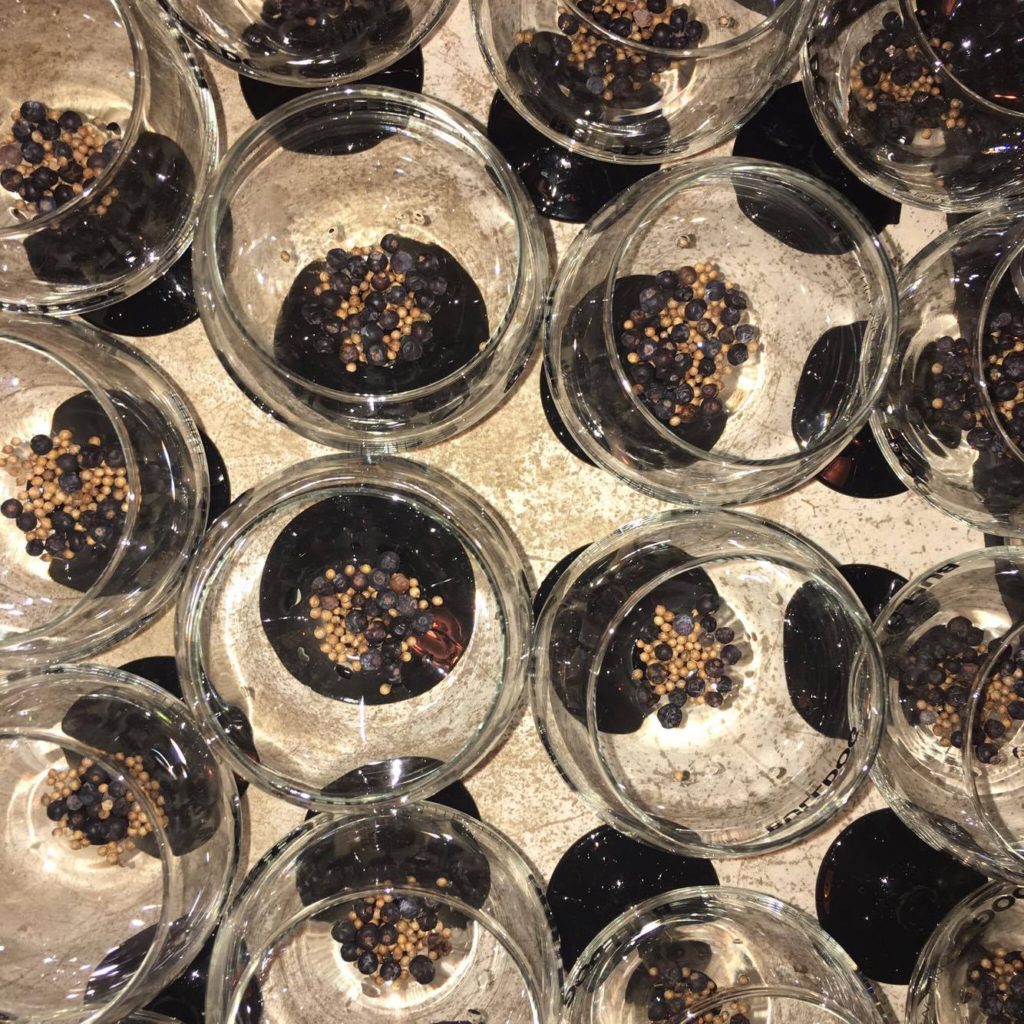
Gin is one of the most expressive spirits on a menu because its botanical profile can lean in so many directions. One bottle can be bright with citrus peel and coriander. Another may read almost savory, with herbs, roots, and spice. Some modern gins are floral and delicate. Others are bold, dry, and brisk enough to stand up to vermouth, bitter aperitifs, or saline elements. A proper gin bar turns those differences into a real experience rather than a technical detail.
That matters on a weekend because variety keeps groups happy. If one person loves spirit-forward cocktails, another prefers refreshing highballs, and a third usually orders wine because they think they do not like gin, the right bar can handle all three with ease. In practice, this is one of the great strengths of the category. Gin is adaptable. It can be crisp and simple at 6 p.m., then layered and contemplative by 10 p.m.
I have seen this play out countless times in serious cocktail rooms. Someone arrives convinced they are there only for one drink and ends up discussing olive brine ratios, tonic selection, or why one martini garnish changes the entire profile. Good gin service invites curiosity without making anyone feel tested.
New York is especially good at this style of night out
Not every city can support a specialized bar scene with real depth. New York can, and does. Density helps. So does the city’s long relationship with hospitality at every level, from polished hotel bars to neighborhood spots that quietly build loyal followings over years.
A gin-focused bar in New York often benefits from the city’s high standards around ingredients, technique, and design. Bartenders here have usually worked across multiple styles of venues, which means they understand speed as well as precision. That is important on a Friday or Saturday night. A beautiful drink is one thing. A beautiful drink delivered efficiently, without attitude, in a busy room, is another.
The best bars also understand pace. New Yorkers do not always want a two-hour seminar on botanicals. Sometimes they want one excellent drink before a show. Sometimes they want to settle in for several rounds and a plate of something salty. Sometimes they want a place that feels festive without becoming exhausting. A strong Gin Bar NYC can meet all of those needs, which is part of why it belongs on a weekend itinerary rather than being saved for some vague future special occasion.
A gin bar can sharpen the whole evening
There is a practical reason gin bars work so well in weekend plans. They improve transitions. They are ideal between activities because gin cocktails often feel cleaner and more appetite-friendly than heavier, sweeter options. A classic martini before dinner can wake up the palate. A gin and tonic with a thoughtful garnish can reset you after walking the city for hours. Even a more inventive drink, if balanced well, tends to feel composed rather than cloying.
That makes a gin bar useful in ways people do not always consider. If dinner reservations are late, a stop at the bar buys time elegantly. If the group cannot decide on a full meal right away, a round of drinks helps narrow the mood. If a date needs a setting that feels polished but not formal, the gin bar often lands in the sweet spot. There is enough sophistication to feel intentional, but not the kind of ceremony that makes casual conversation stiff.
I have recommended gin bars to out-of-town friends for exactly this reason. A steakhouse or a tasting counter can dominate a night. A gin bar can anchor it without overpowering it.
The atmosphere usually favors conversation
One overlooked advantage of a good gin bar is acoustics, or at least the ambition to get them right. Cocktail bars built around spirit appreciation often pay more attention to room energy than clubs, sports bars, or louder concept spaces. That does not mean every gin bar is quiet. New York rooms can get busy fast. But the better ones tend to support conversation instead of sabotaging it.
This matters more than many people admit. A weekend plan is often less about the venue itself and more about the people you are with. You want to hear each other. You want enough energy in the room to feel like you are out in the city, but not so much that every sentence becomes a shout. Gin bars often balance that tension well. Candlelight, polished wood, smart music programming, a little hum from the room, all of it contributes to a setting where one drink can turn into three because nobody feels rushed out by noise or crowd dynamics.
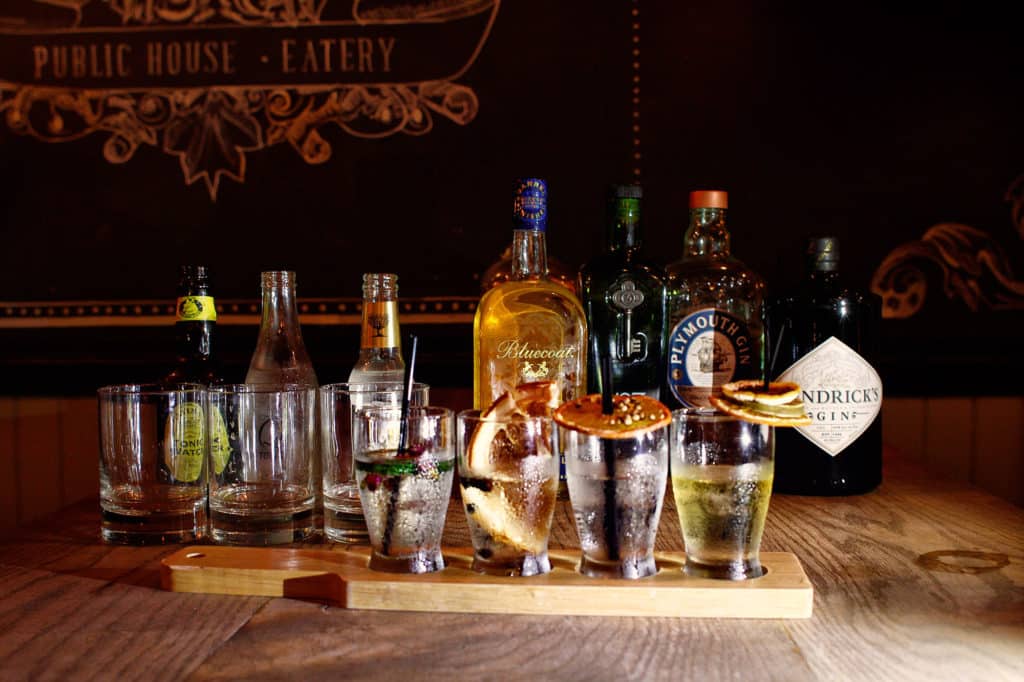
There is also a visual pleasure to these spaces. Bottles lined behind the bar, proper glassware, clear ice, citrus peels cut to order, the quiet ritual of stirring and straining, these details create atmosphere without needing spectacle. New York has plenty of places that ask for attention. A well-designed gin bar earns it more subtly.
You do not have to be a gin expert to enjoy one
Some people avoid specialized bars because they assume expertise is required. That fear is understandable. Nobody wants to sit down and feel exposed for not knowing the difference between London dry and contemporary gin, or for not having a fixed opinion on martini ratios. Fortunately, the best bars do not reward showmanship. They reward curiosity and clear communication.
A good bartender can work from simple preferences. Do you like citrus? Do you want something dry or softer? Are you in the mood for bubbles? Do you usually drink tequila, whiskey, or wine? Those questions tell an experienced bartender far more than any rehearsed tasting vocabulary.
If you are planning your first serious gin bar visit, it helps to approach the menu with a little confidence and a little openness. A few habits make the experience smoother:
- Start by telling the bartender what you usually enjoy, even if it is not gin.
- If you are ordering a martini, mention whether you want it very cold, very dry, or a bit softer with more vermouth.
- Ask about house signatures before defaulting to the most familiar classic.
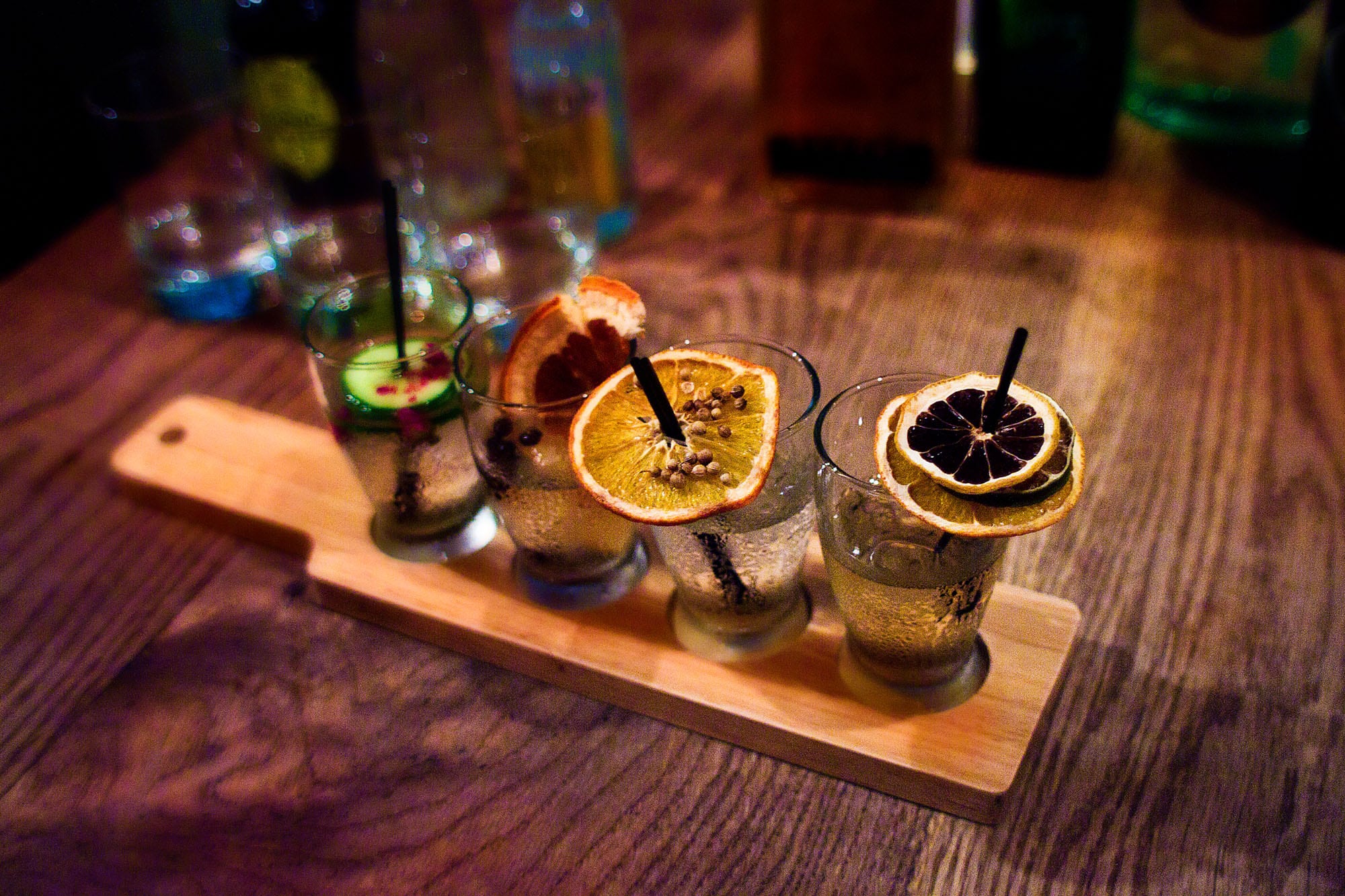
- Pay attention to garnish, because lemon, olive, grapefruit, and herbs can shift the drink noticeably.
- If the first round is spirit-forward, make the second something longer and lighter.
That small amount of intention can change the night. It moves the experience from passive consumption to active enjoyment, without making it precious.
The martini alone can justify the trip
There are few drinks more revealing than a martini. It looks simple, but simplicity is exactly what exposes flaws. Temperature, dilution, glassware, vermouth quality, ratio, garnish, all of it matters. In weak hands, a martini is harsh, watery, or oddly lifeless. In strong hands, it is one of the best reasons to go out.
New York’s better gin bars understand this deeply. They chill glassware properly. They know that some guests want a knife-edge dry profile while others want a broader, more aromatic pour. They ask sensible questions instead of performing expertise at you. They treat vermouth as an ingredient rather than a rumor. That care can make a single martini feel worth leaving the house for.
And martinis are only one part of the picture. A good gimlet, for example, can be electric when fresh citrus and proper balance are involved. A French 75 can feel celebratory without becoming sugary. A Negroni variation can showcase gin’s botanical complexity in a way that even whiskey drinkers appreciate. Then there are the highballs and Collins-style drinks, crisp enough to work early in the evening and refreshing enough to keep the pace comfortable.
Weekend drinking benefits from this versatility. Not every night calls for the same intensity. Gin lets a bar move from elegant aperitif mode to deeper, more contemplative cocktails without changing identity.
Food matters more than people expect
The strongest gin bars understand that food is not an afterthought. It may not be a full restaurant operation, but there should be something intentional available, especially on weekends when people often arrive between meals or stay longer than expected.
Salty, fatty, and briny foods tend to pair especially well with gin. Oysters can be excellent when the gin is crisp and mineral. Fries with aioli, good olives, smoked fish, charcuterie, and well-seasoned nuts all support the botanical edge of the spirit. If the kitchen goes further, with tartare, roast chicken, or small plates built around herbs and citrus, the pairing potential gets even better.
This is one of the practical advantages of a gin bar over a generic drinks venue. You can often build a satisfying low-commitment evening around a few drinks and a few plates. That is useful when a full dinner feels too heavy, too expensive, or simply unnecessary. On a weekend, when reservations everywhere else may be packed, that flexibility can save the night.
I have had some of the best city evenings in exactly that format. One pristine martini, a plate of oysters, another round, maybe something warmer from the kitchen, then a walk home or a final stop elsewhere. It feels relaxed, but not lazy. Spontaneous, but still refined.
It suits different budgets better than many people think
There is no avoiding the fact that New York cocktails can be expensive. A serious bar program in Manhattan or parts of Brooklyn is not a bargain proposition. Still, a gin bar can be a more sensible choice than people assume, especially compared with full-service dinner outings or all-night plans built around multiple venues.
A focused bar visit offers control. You can stop in for one carefully made drink and leave satisfied. You can split small plates rather than ordering a full multicourse meal. You can choose a neighborhood spot instead of a destination hotel bar if budget is the main concern. Because gin cocktails often deliver a lot of complexity without requiring rare, high-proof pours, they can feel like good value when executed well.
The key is matching the venue to the occasion. Not every weekend outing needs to be a marquee reservation. Some nights call for a polished local place where you can get a clean martini, a seasonal gin cocktail, and a snack without turning the evening into a financial project.
Picking the right spot changes the experience
Not all gin bars aim for the same mood, and this is where a little planning helps. Some lean classic, with hushed service and serious martini culture. Some are more contemporary, with bright seasonal drinks and a younger crowd. Some are attached to restaurants and function best as pre-dinner destinations. Others are bars first, with enough personality to carry the whole evening.
When choosing, I usually tell people to think about what they want the room to do for them. If the goal is conversation, seek out a place known for balance and pacing rather than a high-volume hotspot. If the goal is celebration, look for a room with energy and a broader cocktail list. If someone in the group is uncertain about gin, choose a bar with an approachable menu and staff who are comfortable steering guests rather than showing off.
A few practical signals usually help:
| What to notice | Why it matters | |---|---| | A concise but thoughtful gin selection | Suggests curation rather than bottle collecting | | Clear martini options | Indicates the bar takes classics seriously | | Balanced menu language | Usually a good sign that drinks are meant to be understood, not decoded | | Food that reads intentional | Helps the visit stretch into a fuller evening | | A reservation option or known wait pattern | Useful on weekends when timing matters |
You do not need perfect research. Even ten minutes of looking at a menu and reading the room through photos can tell you whether the place suits your plans.
Gin bars are unusually good for dates and small groups
Some venues are optimized for spectacle. Others are optimized for comfort. A gin bar, at its best, manages a little of both. That makes it especially strong for dates and small groups where the social dynamics matter as much as the drinks.
For dates, the balance is obvious. A gin bar suggests taste and intention without the pressure of a major dinner reservation. It gives you something to talk about if conversation needs a nudge, but it does not demand that the drinks become the entire subject. A martini, a shared plate, another round if things are going well, this is a clean structure for an evening.
For groups of three or four, the format works just as well. Large parties can overwhelm smaller cocktail spaces, but smaller groups fit naturally. Everyone can order to their own taste. The pace remains manageable. Nobody is trapped in a loud room waiting twenty minutes just to get the bartender’s attention.
There is also a subtle democratic quality to gin bars. Unlike wine service, which can sometimes hinge too much on one person ordering for the table, cocktails remain personal. Everyone gets to have their own experience. That keeps the mood looser and often more fun.
Seasonality keeps repeat visits interesting
Another reason a gin bar belongs in a weekend rotation rather than a one-off plan is seasonality. Gin works year-round, but it changes character with the calendar in a way many spirits do not.
In warmer months, bars can lean into herbs, cucumber, berries, citrus, tonic variations, and lighter sparkling formats. Those drinks feel made for long Saturdays and late sunsets. In colder months, gin shifts surprisingly well into drinks with spice, tea, citrus oils, rosemary, and richer modifiers. It can become more savory, more textural, and more contemplative without losing freshness.
That seasonal adaptability keeps the category from getting stale. It also rewards repeat guests. A bar that understands gin well can make its menu feel familiar and new at the same time, which is part of what people want from a neighborhood staple.
A better kind of weekend habit
The strongest argument for adding a gin bar to your weekend plans is not novelty. It is reliability. A good gin bar offers a form of going out that still feels like a treat, even when your schedule is crowded and your standards are high. It gives you precision without stiffness, atmosphere without chaos, and enough range to suit different companions and different moods.
That combination is rare. Plenty of places in New York are fun once. Fewer hold up over time. Gin bars that do it well become part of the rhythm of the city. They are where you go when you want the night to feel a little sharper, a little more deliberate, and a lot more enjoyable.
If your weekends already have dinner spots, concert venues, brunch habits, and neighborhood walks built into them, a Gin Bar NYC visit fits naturally among those rituals. It can be the opening note, the midpoint reset, or the destination itself. And once you find one that gets the details right, from the glass temperature to the tone of the room, it tends to earn a permanent place in the plan.
The Winslow
243 E 14th St
New York, NY 10003, United States
Phone: +1 212-777-7717
FAQ About Gin Bar NYC
How to do a gin tasting?
Start with a small pour and gently smell the gin before taking a small sip. Notice its juniper, citrus, floral or spice notes, then compare how the flavor changes with a little water or tonic. At a gin bar, ask the bartender to explain the selection and botanical pairings.
How to make the best tasting gin and tonic?
Use chilled gin, fresh tonic and plenty of ice. A common starting ratio is one part gin to two parts tonic, adjusted to taste. Choose a garnish that complements the gin's botanicals and stir gently to preserve the bubbles.
What is the smoothest tasting gin?
There is no single smoothest gin for everyone. Perceived smoothness depends on the botanical recipe, alcohol strength, serving temperature and mixer. Describe whether you prefer citrus, floral, herbal or juniper-forward flavors so a bartender can suggest a suitable style.